

Things to Do in South Africa in February
February weather, activities, events & insider tips
Low Season · Budget Friendly
February Weather in South Africa
Temperature, rainfall and humidity at a glance
93°F (34°C)
High Temp
59°F (15°C)
Low Temp
2.0 inches (51 mm)
Rainfall
70%
Humidity
⚠ Index runs high. Burn hits in 15 minutes. Reapply SPF every two hours. No excuses.
⚠ Kruger and northern KZN peak for malaria. Pop prophylaxis. Spray repellent. Both are essential.
Is February Right for You?
Weigh the advantages and considerations before booking
Advantages
- + February is when Cape Town finally shows off. Camps Bay and the four Clifton beaches increase to full throttle, daylight pushes past 8pm, and every table on the Atlantic Seaboard is booked solid. The light does something strange in late afternoons. The setting sun catches the Twelve Apostles mountain range from the west, turns the granite face pink, then drops behind Lion's Head. This is the Cape at its most cinematic. It looks exactly like the photographs that made you book the trip.
- + Harvest hits the Winelands February through March and flips the whole mood of Stellenbosch and Franschhoek. Walk into any cellar then and the air itself is drunk, fermenting juice punches your nose before the first tank appears. Pickers ghost through the vines in early-morning mist, knives flashing, and you can sip barrel samples drawn from fruit that was still hanging last week. Sauvignon Blanc and Chardonnay come off first. The reds follow through February and into March. Estates stop feeling like manicured postcards. They move. They sweat. They feel alive.
- + February in Kruger National Park delivers a safari that photographs nothing like the dry-season brown. The bush runs deep green, total transformation. Bird populations explode to around 500 species, including migrant species from the north that simply aren't present in winter. Predators concentrate around water sources as heat builds through the morning. Arrive at a productive waterhole before 9am, kill the engine, and patience tends to be rewarded with something worth remembering.
- + The Garden Route, Eastern Cape, and Addo Elephant National Park run at a fraction of Cape Town's February crowd levels and pricing. Addo has the highest density of elephants in Africa. February visits tend to mean smaller game-drive crowds than the June-July Gauteng school holiday rush. The Tsitsikamma Forest, ancient yellowwood trees, the suspension bridge over the Storms River mouth, is navigable and relatively quiet. The kind of place where you can stop on the trail and hear nothing but water and forest canopy.
Considerations
- − Cape Town's peak-season pricing is real and substantial. Accommodation along the Atlantic Seaboard in February runs at its annual high, and V&A Waterfront restaurants fill completely on weekends by Tuesday of the same week. This is the honest trade-off: perfect weather, maximum expense. Travelers on tighter budgets who visit in April-May or September-October get most of the same experiences at a fraction of the cost and with thinner crowds.
- − February on Table Mountain means one thing: the tablecloth. When the Cape Doctor, that relentless SE wind, blows steady (and in February it does, more often than not), thick cloud pours over the summit and parks there for days. Cable car shuts down. Total whiteout. Smart move? Wait. Check the webcam at 6am sharp. Book with one day's notice instead of locking in some afternoon slot weeks ahead. The mountain rewards patience, just don't build your whole itinerary around a specific date.
- − Kruger's dense summer vegetation works against first-time game spotters. The dry season from June through September strips the bush bare and exposes animals against open landscape; February wraps everything in thick green cover. Animals are present. But the leopard that would be visible against bare rock in September is somewhere in that impenetrable thicket and requires significantly more time to find. Plan for longer days in the park, earlier starts, and lower expectations for ticking the Big Five in two days.
Best Activities in February
Top things to do during your visit
Cape Winelands Harvest Experience
Harvest is happening right now. February turns Stellenbosch, Franschhoek, and Paarl into working farms, not just pretty buildings and tasting rooms. By mid-morning the air around active cellars reeks of crushed grapes and fermenting juice. Some estates run harvest experience days where you pick alongside workers for a morning, dusty, physical, and worth every minute. Warm days end cool enough for a jacket-free glass on the terrace. This is the best wine-touring weather of the year. Sauvignon Blanc and Chardonnay are harvested first, ask any tasting room which variety is currently coming off and whether the cellar is accessible.
Booking Tip: Call the estates yourself, book tastings 7-10 days ahead. Harvest crowds out walk-ins fast, as trade buyers flood in with tourists. Skip the standard tasting room shuffle. Hunt for operators running small-group harvest days instead. Check the booking section below for what's open now.
Cape Peninsula Day Tours
February hits the Cape Peninsula like a filter you can't buy. From Cape Town south through Hout Bay, along Chapman's Peak Drive, past the Cape of Good Hope, and up to the Boulders Beach penguin colony near Simon's Town, the whole stretch glows. The fynbos, that indigenous scrubland found nowhere else on earth, explodes into color. The Atlantic crashes into the Indian Ocean and the water turns a deep blue you won't see again. African penguins at Boulders Beach chase each other across the sand before the mercury climbs past 30°C (86°F). Chapman's Peak Drive, cut straight into the cliff above the surf, is Africa's most dramatic coastal road. Pick a weekday. Weekenders pour out of Cape Town and crawl through the single-lane sections; you'll spend half the morning staring at brake lights.
Booking Tip: Beat the buses. Leave before 8am and you'll hit Boulders Beach while the tour crowds from central Cape Town are still snoozing. The light? Sharper. The penguins? Less harassed. Both half-day and full-day trips are everywhere. Check the booking section below for what's running now.
Shark Cage Diving at Gansbaai
Great whites circle Gansbaai, the easiest place on Earth to meet them. Two hours and 160 km (100 miles) east of Cape Town along the N2, this town delivers the goods. February seas stay calmer than winter swells, so the boat ride from Gansbaai to Dyer Island and Shark Alley feels less like a rodeo and the cage water stays clearer. Summer sharks track bronze whalers here, a different game from the whale-carcass buffet of August-November, but the encounters still hit hard and linger long. No diving badge or Olympic swim times required. The cages float at the surface. Bring grit for one detail: the Benguela Current pushes 14°C (57°F) water that slices through a normal wetsuit in about 20 minutes.
Booking Tip: Two weeks. That's the minimum lead time you'll need in February if you want a cage in Gansbaai, peak season means every operator from Cape Town is booked solid. Skip the cowboys. Book only with outfits registered with the local great white shark research community. They run proper conservation briefings before you splash, not just a five-minute "here's your mask" drill. Current options are in the booking section below, lock them in early.
Kruger National Park Self-Drive Safari
February in Kruger flips the script. That 19,485 sq km (7,523 sq miles) of lowveld bushveld across Limpopo and Mpumalanga doesn't play by dry-season rules, and that is exactly why you should go now. Bird life explodes. Carmine bee-eaters flash scarlet breeding plumage against the sky. Rollers dive, raptors wheel, and summer migrants from the north fill branches that stand empty in winter. These species simply aren't here later. Water changes everything. Instead of animals crowding the same old waterholes, smaller pools dot the entire landscape. You'll find elephant at a muddy dip you can't even name. Lion prides roam wider, less predictable circuits. Longer waits? Sure. But when they appear, on a termite mound, crossing a dry riverbed, you'll be the only vehicle watching. Camps feel empty. No traffic jams at sightings. No queue for coffee at Satara. The winter peak feels like another park entirely. Set your alarm. Gates open before 5:30am for good reason. Cool hours bring cats on the move, wild dogs trotting the road, hyenas finishing a night kill. By 11am the heat wins, most big mammals vanish into shade. You'll be back at camp for a swim and a cold beer, already planning the afternoon route.
Booking Tip: Book SANParks accommodation through the official SANParks portal up to 11 months ahead; Satara and Lower Sabie are gone by May for February. Your first morning, guided open-vehicle safari, teaches animal tracking tricks that turbo-charge every self-drive day that follows. Three nights minimum. Two nights leaves first-timers convinced they've barely scratched the surface. Check current guided options in the booking section below.
Garden Route Self-Drive
February on the Garden Route strips away the crowds. The coastal ribbon between Mossel Bay and Port Elizabeth (now officially Gqeberha), threading through George, Wilderness, Knysna, and Plettenberg Bay, turns warm, green, and meaningfully quieter once the December-January school holiday peak ends. Knysna's lagoon flashes blue-green between the Heads. Plettenberg Bay's beach pulls warmer Indian Ocean water than any Atlantic-facing Cape Town stretch. Twenty minutes of easy walking brings you to the Storms River suspension bridge inside Tsitsikamma National Park. Three sharp breaths are enough to lock the deep gorge view in your head. You can hammer the N2 from Cape Town to Gqeberha in a day, 750 km (465 miles), but the road repays four to five days with stops far more than it rewards one long push.
Booking Tip: February rates on the Garden Route beat Cape Town prices. But Knysna and Plettenberg Bay still fill up fast. The Otter Trail in Tsitsikamma, a 5-day coastal hike that ranks among Africa's best walks, needs SANParks bookings months in advance every season. Reserve every night's stay before you tackle the N2 after dark, South African highways beyond major cities carry real night-time risks. Check current tour options in the booking section below.
Addo Elephant National Park Game Drives
600 elephants in 1,640 sq km, that's Addo, 70 km north of Gqeberha in the Eastern Cape. The density borders on implausible. Kruger feels large; Addo feels personal. You'll get close sightings on most drives here. The park runs a different safari: smaller, more intimate, elephant-heavy. February is prime time. The bush stays green yet never thickens into Kruger's lowveld thicket. Temperatures climb but rarely hit the 40°C extremes you'll find up north. And the crowds? Gone. School holidays are over. The place is quiet. Watch for the flightless dung beetle, endemic to Addo, found nowhere else. Stop the car. They have right-of-way by regulation. Once you spot one, you'll remember it.
Booking Tip: Book Addo's SANParks lodges 4-6 weeks ahead in February, Kruger needs longer. Morning and late-afternoon drives deliver the goods. Midday game drives at 34°C (93°F) are possible. But most large animals will be sheltering. See current guided options in the booking section below.
Where to Stay in South Africa in February
Hand-picked hotels across price tiers for February travellers.
★★★★★
Luxury
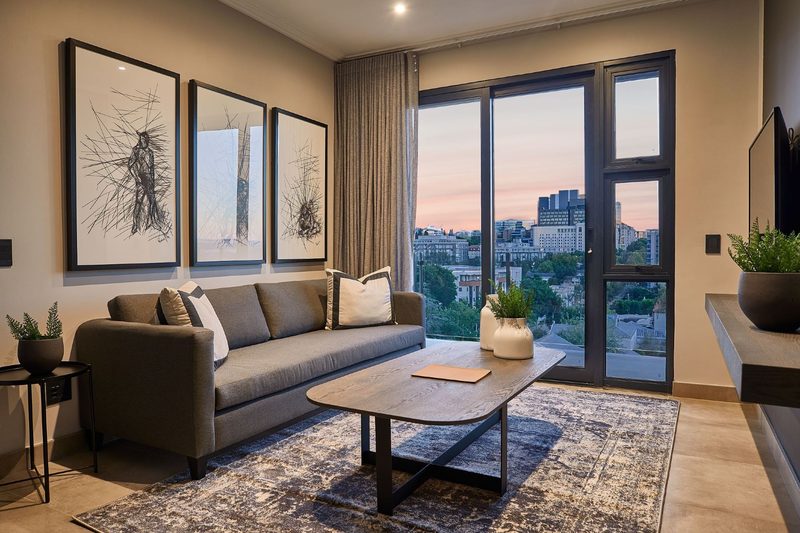
21 Nettleton Boutique Hotel & Luxury Residence
From $598 / night
Check Prices on Trip.com →
February Events & Festivals
What's happening during your visit
Early February (competition rounds continue from the January 2 parade)
Kaapse Klopse Competition Season
January 2. That's the day. The Kaapse Klopse, Cape Town's minstrel carnival, explodes across the streets with its famous parade on Tweede Nuwejaar, Second New Year's Day. Don't leave town yet. The competition season keeps rolling through January and into early February as the troupes battle at the Athlone Stadium for category prizes. The singing competitions, the liedjies, form the cultural heart of this tradition. It started in the 1800s. Cape Malay, African, and American minstrel influences shaped what you'll see. This is a community event that exists for its community first. Visitors are welcome. They're clearly not the primary audience. That's exactly what makes it worth attending. The color. The noise. Competing troupes in sequined costumes moving through the streets of the Bo-Kaap. This isn't a performance designed for tourists, and that's the point.
Throughout February
Cape Winelands Harvest Season
February is harvest month in Stellenbosch, Franschhoek, and Paarl, expect chaos, juice-stained hands, and the best barrel samples you'll ever taste. Estates throw open their doors for cellar-door tastings of the 2023 vintage alongside sips straight from the 2024 barrels, plus harvest experience days where you'll pick fruit. This isn't a tidy festival, it's a region-wide fever that lasts all month. Sauvignon Blanc and Chardonnay hit the bins first; Cabernet Sauvignon and Shiraz follow through February and into March. Ask tasting-room staff which blocks are being picked today and whether the cellar floor is open, they'll usually say yes, and the smell of fresh fermentation beats any standard tasting you'll find.
Packing Checklist
Bookmark this page — your progress is saved between visits
Need the full list with shopping links?
Climate-specific gear, brand recommendations, and what to leave at home.
View South Africa Packing List →Essential Tips
Insider knowledge and common pitfalls to avoid
Insider Knowledge
Table Mountain's cable car sells out fast on clear February days, gone within hours. Smart locals book the night before for sunrise slots. They check the official webcam and weather forecast side by side. The mountain stays crystal clear at dawn before the SE wind wakes up. By 11am the tablecloth cloud usually starts rolling in from the south. Reserve with 24 hours' notice using the flexible refundable option, same-day cancellations do pop up, instead of locking in a specific date weeks ahead.
Weekends at the V&A Waterfront in Cape Town are chaos. Locals who know the drill? They're there Monday through Wednesday mornings. The working harbour hums. Cape fur seals sprawl on the jetties. Tourist numbers drop by roughly half, simple math, better experience. The Watershed craft market inside the Waterfront delivers legitimately good South African design and crafts. Weekday visits feel relaxed. Prices? Occasionally negotiable.
By 1pm the temperature cracks past 30°C (86°F). Johannesburg's February storms are clockwork, dark purple sky by 3pm, thirty minutes later the city is scrubbed clean. Wet earth. Lightning on the tongue. Plan museums for the afternoon slot: the Apartheid Museum on the M1 south of the city centre, or Constitution Hill in Braamfontein. Keep outdoor stuff for mornings. Watch the drama from cover, glorious, yes, but you don't want to be caught in it.
Saturday lunch in February turns Franschhoek's main street into gridlock. The town's 15,000 residents now share their streets with wine-and-lunch tourism that has overwhelmed weekend infrastructure. The real experience lies elsewhere. The wine estates in the valley itself, reachable by bicycle along farm roads or by the Franschhoek Wine Tram, deliver what you're after. Come on a Thursday or Friday. You'll see what makes the place special instead of experiencing it through a scrum.
The Boulders Beach penguin colony at Simon's Town, 40 km (25 miles) south of Cape Town on the Cape Peninsula, hits peak February numbers. But arrive before 9am and everything shifts. Later, tour-group noise drowns the birds; early, you sit on the boardwalk with penguins brushing your ankles. SANParks controls entry. Book online and skip the queue.
34-40°C (93-104°F). That's February in South Africa's Karoo interior, the vast semi-desert plateau north and northeast of the Cape Winelands, and it is brutal. The heat makes it difficult to enjoy. Want the Karoo experience? The absolute silence. The flat-topped kopjes. The extraordinary dark skies at the Sutherland Observatory or Matjiesfontein? March-April or September-October. Far more rewarding. February Karoo? For heat enthusiasts with a specific agenda. Not casual visitors.
Avoid These Mistakes
Lock in Table Mountain cable-car tickets weeks ahead and you might still get burned, February weather here flips faster than a taxi meter. The mountain's cable car shuts the moment sustained winds cross its secret threshold. Travelers who paid for a fixed afternoon slot on a gusty day simply lose the ride. This peak runs on its own clock. Reserve the refundable option, check the webcam after dinner, then confirm the following morning once you can see what the sky is doing.
Cape Town to Kruger is 1,600 km (994 miles), that's London to Rome. Visitors who cram both into under 10 days always say they've seen neither properly. Choose: go deep on the Western Cape, Cape Town, Winelands, Garden Route, maybe Addo, or fly into Johannesburg and build the trip around the Lowveld. These are separate trips. Plan them separately.
Two nights in Kruger? You'll leave frustrated. First-timers do it all the time. The park rewards patience. Animals move on their own schedule. The sightings that stay with you, they happen to people who wait. Three nights is the practical minimum. Five nights? That's when Kruger starts revealing itself properly. The difference between two nights and five isn't linear. It is exponential. Experienced visitors will tell you this without exception.
Don't drive South African highways east of Cape Town after dark. The N2 and other national routes outside major cities turn treacherous once the sun drops, livestock wanders the road, shoulders vanish into blackness, and you'll meet cars with no working lights. The Garden Route demands daylight. Book accommodation that puts you behind closed doors by sunset, between George and Plettenberg Bay.
Don't skip malaria pills for Kruger. February is Lowveld's worst month, mosquitoes are everywhere, and the risk is real. The right medication makes it manageable. Skipping it is a straight-up gamble. Book a travel medicine clinic at home 3-4 weeks before departure. Most travelers put this off. It is the step that matters most.
Ready to plan your trip to South Africa?
Now that you've got the research covered, here's where to go next.
Book Experiences in South Africa
Top-rated things to do in South Africa this February


Explore More Activities in South Africa
Didn't see anything interesting yet?
Browse Viator's full catalog of tours, day trips, food experiences, and private guides in South Africa.
See All South Africa Tours on Viator