

Things to Do in South Africa in July
July weather, activities, events & insider tips
Shoulder Season · Good Value
July Weather in South Africa
Temperature, rainfall and humidity at a glance
69°F (21°C)
High Temp
42°F (6°C)
Low Temp
0.1 inches (3 mm)
Rainfall
41%
Humidity
Is July Right for You?
Weigh the advantages and considerations before booking
Advantages
- + Kruger National Park's dry season peaks in July. What that means in practice is worth understanding before you book. Without leaf cover, the thornveld opens to sightlines of 200 m (655 ft) or more. Terrain that's an impenetrable green wall in January becomes sparse and skeletal, movement registers immediately. Animals concentrate at permanent waterholes as seasonal sources dry up. Elephant herds of 50 or 60 drinking at the Sabie River at dusk. Lion prides arriving mid-morning. White rhino on schedule, the waterhole is one of the only options left. July game viewing in Kruger tends to feel almost unfair compared to the summer months. Not guaranteed. But closer to it than anywhere else in Africa at this time of year.
- + Southern Right Whales crash into Walker Bay at Hermanus from late June, July kicks off one of the planet's easiest whale-watching seasons. They park in the sheltered bay to calve and nurse, and they don't mess around with distance. The coastal cliff path above New Harbour sits within 20 m (65 ft) of the water at several spots, and in morning calm the whales drift so close you'll hear the breath first, a deep, pressurized exhale that climbs the cliff face before you spot the animal. No boat. No binoculars on a good morning.
- + 18-21°C (64-70°F) in July across the Highveld and bushveld, perfect. These temperatures turn activities that January would punish into pure pleasure. Game drives? Comfortable. Drakensberg hiking? Ideal. Cape Winelands cycling routes? Glorious. Walking the waterfront in Cape Town on a clear morning? You'll want a jacket, but you'll be smiling. The Limpopo sky achieves a cloudless blue in July that summer's humidity can't touch. Dry air snaps with crispness. Mornings at the campfire feel earned, not endured.
- + Winter strips the crowds from Cape Town. Suddenly you matter again. The cable car queue at Table Mountain on a clear July weekday morning? Ten minutes, maybe fifteen. Nothing like the 90-minute December circus. Down at the V&A Waterfront fish markets, vendors work at normal pace, no elbowing through summer's chaos. Drive out to Franschhoek and Stellenbosch. Wine estates turn into actual tasting rooms again. Walk in. Taste. No booking. Try pulling that from November through February, you can't.
Considerations
- − July in Cape Town is winter, real winter, and anyone banking on a year-round Mediterranean idyll needs a swift reality check. The city swallows 69 mm (2.7 inches) of rain that month, not in polite afternoon sprinkles but in stubborn Atlantic fronts that squat over the Peninsula for three, sometimes four days straight. Table Mountain's trademark tablecloth can smother the summit for an entire short trip, grounding the cable car with zero notice. Build your itinerary around a sunrise from the top in July? You're rolling dice.
- − Cold nights ambush first-timers nationwide. Johannesburg perches at 1,700 m (5,577 ft) and plunges to 2-5°C (36-41°F) nightly. Those game lodges in Limpopo, lush in the brochures, pile blankets high and spark boma fires after 5 PM. An open game vehicle at 60 km/h (37 mph) through 5°C (41°F) pre-dawn air delivers a blade of cold no fleece can block. Pack for the thermometer, not the photo, or you'll spend sunset in the lodge gift shop.
- − Mid-July in South Africa means chaos. School holidays, two to three weeks, exact dates shifting by province, flood Kruger's rest camps, Addo Elephant Park, and every Garden Route coastal town just as international visitors pour in for peak wildlife season. Skukuza and Satara rest camps sell out months ahead. The Kruger gates? Real queues at 5:30 AM during school holidays. Book Kruger accommodation before April, or target early or late July to dodge the holiday crush.
Best Activities in July
Top things to do during your visit
Kruger National Park Self-Drive Safari
July owns Kruger for self-drivers. The dry season burns the thornveld to grey sticks, opening sightlines that vanish under wet-season green. Animals crowd the permanent water, the Sabie, Olifants, and Crocodile rivers, plus the major boreholes SANParks keeps running across the park. African wild dogs are denning in July. Packs slow down, stay put. Sightings that need patience in other months turn almost predictable if you track active dens. The southern wedge between Lower Sabie, Crocodile Bridge, and the Sabie River corridor delivers more sightings per hour than anywhere else, three permanent water sources intersect here. The hour after gates open at 6:00 AM remains the best game window of the day. Budget three full days minimum. Two days ends right when the place's rhythm clicks.
Booking Tip: Rest camp beds vanish by April. If you want July, school-holiday fortnight, the second and third weeks, you'll need to click "reserve" while spring flowers are still blooming. SANParks' own site is the only place that matters. Nobody else holds inventory. Private concession lodges inside the fence line bundle dawn drives and boot-level bush walks with qualified rangers. Scroll to the booking block for today's list. Self-drive? Pay at the boom gate, roll on. Tar or gravel, a normal sedan won't flinch.
Southern Right Whale Watching, Walker Bay
Southern Right Whales arrive at Hermanus's Walker Bay from late June, one of the country's more extraordinary wildlife encounters. July lands you in their first full month before school holiday crowds swarm the bay. These whales migrate north from sub-Antarctic feeding grounds to calve and nurse in sheltered coastal waters. Walker Bay's Marine Protected Area status keeps boat traffic regulated, producing calmer whale behavior than at less-managed sites. The 12 km (7.5 mile) cliff walk from New Harbour to Grotto Beach is the main viewing platform. Free. Walkable in two to three hours. At several points, it runs within 20-30 m (65-100 ft) of the water. Close enough that the sound of a whale exhaling carries up the cliff face before you spot the animal. The town's Whale Crier, a local institution, walks the path from around 8 AM, blowing a kelp horn. He chalks daily sightings on a board near the Old Harbour Museum. Faster than scanning blank water yourself. More reliable than any app.
Booking Tip: Boat-based whale watching tours leave Hermanus harbour under tight permit rules, only a handful of boats per day. Winter swells in July scrub more trips than summer months. Grill every operator on their cancellation and rebooking policy before you pay. Current licensed boat tour availability sits in the booking section below. Cliff-path viewing costs nothing except the drive to Hermanus, 1 hour 20 minutes and 120 km (75 miles) east of Cape Town along the N2. Guesthouses above the cliff path sell out during school holidays. Lock in your room early.
Shark Cage Diving, Gansbaai
Sixty thousand Cape Fur Seals crowd Geyser Rock, and the sharks never leave. Dyer Island's channel becomes a year-round hunting lane, Great Whites cruise between the rock and the mainland like commuters on a schedule. July's Atlantic drops to 13-15°C (55-59°F), and the water suddenly clears to 5-8 m (16-26 ft) visibility. Summer upwelling can't match this. Descend 1.5-2 m (5-6.5 ft) in the cage. Steel bars between you and a predator that doesn't bother to rush. The bait line twitches. The shark glides closer. Your brain refuses to process the scale, too large, too close, too calm. No fear, just assessment. Cold? The wetsuit handles the dive. The real bite comes on deck, July southwesterly whipping across wet skin while salt crusts your face. Bring thermal layers for under the suit. Pack a complete dry outfit for the ride back. You will need it.
Booking Tip: Shark boats leave Gansbaai harbour at dawn, 1.5 hours (95 km / 59 miles) east of Cape Town on the N2. Only licensed operators holding marine permits may offer cage dives. Current options with availability are in the booking section below. Book at least a week ahead in July when school holiday demand is running high. Motion sickness on the Atlantic crossing to Dyer Island is a real consideration in July's winter swell. Take medication the evening before departure rather than the morning of if you have any susceptibility.
Cape Winelands Wine Tasting, Franschhoek and Stellenbosch
July strips the vine leaves bare and empties the Winelands of summer crowds in one sweep, a trade-off you need to grasp before writing off the season. The vineyards themselves go dormant and grey, which isn't photogenic by any standard. But those Cape Dutch homesteads against the Franschhoek and Simonsberg mountain backdrops read beautifully in winter light, lower, sharper than summer's flat midday glare. Tasting rooms at estates that demand booking weeks ahead in January often have space on a Tuesday morning in July. Stellenbosch's Dorp Street, lined with white-walled Cape Dutch and Victorian buildings, runs at a pace where you can look at the architecture. The Franschhoek village main road, difficult to walk in January, becomes manageable. The wine stays unchanged by season. But menus shift, slow-braised lamb, root vegetable preparations, venison dishes that make zero sense on a 35°C (95°F) January afternoon fit July's climate well.
Booking Tip: Most estates slash their winter hours in July. Some shut their doors on Mondays, completely. Don't assume summer schedules still apply. Phone first. The R45 between Paarl and Franschhoek cuts through Franschhoek Mountain Pass. Budget 45 minutes for the drive. Pull over at the pass viewpoint. The panorama over the valley? The flat coastal route misses it entirely. Hire a driver for a full day of estate visits. Tasting portions add up fast. Those mountain roads demand full attention. Current Winelands tour options from Cape Town sit in the booking section below.
Drakensberg Hiking and Escarpment Routes
Snow can dust the 2,800 m (9,186 ft) ridge, yet the middle Berg stays clear. Cathedral Peak and Giant's Castle, both below 1,800 m (5,906 ft), are dry-season certainties, hiking trousers and a mid-layer will do. July gives uKhahlamba-Drakensberg Park near-zero rainfall, horizons wiped clean, and a dry cold that trims the Amphitheatre's basalt escarpment as if cut with scissors. From the Sentinel Trailhead the Tugela Falls route climbs to the escarpment top on chain ladders bolted into basalt. Four to five hours return from the 1,800 m (5,906 ft) car park. Up there the Amphitheatre wall plunges 1,000 m (3,281 ft) to the valley floor, and on a clear July morning the Free State flatlands roll out to every horizon.
Booking Tip: No advance booking, just show up. Day hike permits are handed out at each section's camp reception on arrival. Early starts before 7 AM pay off on long routes like the Sentinel Trail. Overnight hikes? Book ahead through KZN Wildlife and cough up a mountain rescue deposit. Want a guide? Certified mountain guides run day hikes via licensed local operators, check the booking section below for current options. Fly into Harrismith for the Sentinel Trail area, or Richards Bay for Cathedral Peak. Driving from Durban clocks in at 3 hours (260 km / 161 miles) on the N3.
Cape Peninsula Loop and Boulders Beach Penguins
The 170 km (106 mile) Cape Peninsula loop runs south from Cape Town through Hout Bay and Chapman's Peak Drive, down to Cape Point, and back north through Simon's Town. It holds up in July weather when Table Mountain alone does not. The cable car shuts when cloud or wind hits, no exceptions. Chapman's Peak Drive, the Cape of Good Hope Nature Reserve roads, and Boulders Beach stay open regardless of what the mountain is doing. At Boulders Beach, a colony of over 2,000 African Penguins claims the beach and rocky coves year-round. July finds them in pre-moult condition: fat, glossy, and composed. The December post-moult birds look ragged by comparison. These penguins don't care about people, they nest beneath the boardwalk, conduct their social lives at arm's length, and waddle through tourists' legs with evident indifference. The coastal fynbos along the cliff trails at Cape Point starts its winter bloom in July. The proteas and ericas begin to flower in patterns that make the landscape look unlike anywhere else on the continent.
Booking Tip: Skip the gate queue at Cape Point, book the conservation fee online before school holidays, when coach tours choke the car park. Boulders Beach demands its own SANParks entry fee. Grab Table Mountain cable car tickets for 8-9 AM departures. The company won't charge for same-day rescheduling if cloud kills the summit view. First-timers should book a guided Peninsula day tour; a sharp guide on fynbos ecology rewires what you see. Current tour options sit in the booking section below.
Where to Stay in South Africa in July
Hand-picked hotels across price tiers for July travellers.
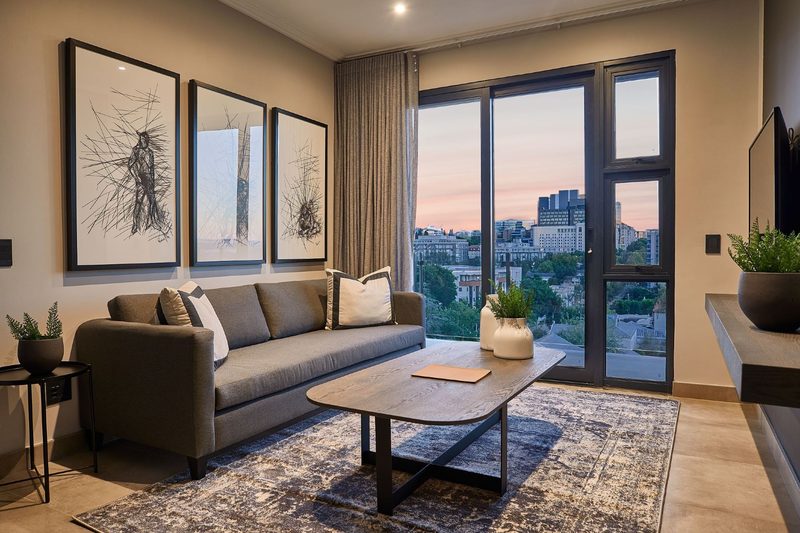
★★★★★
Luxury
21 Nettleton Boutique Hotel & Luxury Residence
From $598 / night
Check Prices on Trip.com →
Packing Checklist
Bookmark this page — your progress is saved between visits
Need the full list with shopping links?
Climate-specific gear, brand recommendations, and what to leave at home.
View South Africa Packing List →Essential Tips
Insider knowledge and common pitfalls to avoid
Insider Knowledge
The Kruger's southern section, the corridor between Lower Sabie, Crocodile Bridge, and the Sabie River, consistently delivers more sightings per kilometer driven than the northern sections. It sits at the confluence of two permanent rivers in the park's densest lion territories. Most first-time visitors plan to drive the full length of the park top to bottom. The smarter allocation is to spend two full days in the southern section before moving north, rather than dividing time equally. The northern Shingwedzi and Punda Maria areas have their own rewards, higher elephant density, Limpopo-specific species. But Big Five concentration per hour driven is in the south.
Forget scanning empty water, find the Whale Crier. Hermanus has one. He starts walking the cliff path around 8 AM, kelp horn in hand, chalking fresh sightings on a board by the Old Harbour Museum entrance. That is the fastest way to locate active whales. The stretch of cliff between New Harbour and Gearing's Point delivers the most action. Calving females and juveniles crowd the shallower inshore waters all morning.
Cape Town's July weather flips fast. Clear dawn. Horizontal rain. Blue sky again, all inside two hours. Sounds grim, right? It isn't. Pack for the worst, grab the good when it lands, and you'll beat anyone who hides indoors all day. The Table Mountain cable car's official app slices forecasts into three-hour windows you can trust. The 8-10 AM slot stays clearest on most July mornings. Same-day rescheduling rights make an early booking a no-brainer.
School holidays in South Africa don't follow a single calendar. Each province sets its own dates, announced every January for the coming year. Most years, mid-July brings a two to three-week break across Gauteng, the Western Cape, and KwaZulu-Natal at once. Book Kruger accommodation, Garden Route guesthouses, and Hermanus lodging before April, before locals snap up every bed, and you'll lock in better availability and pre-peak pricing. The weeks flanking the holiday window deliver identical wildlife conditions with half the crowds at every gate.
Avoid These Mistakes
South Africa's July winter is brutal. Johannesburg nights plummet to 2-5°C (36-41°F). The Cape Peninsula drowns in Atlantic-grade rain. Game drives at dawn? Cutting cold. No layering helps without a thermal base layer. Those magazine shots, sunlit savannah, golden light, were snapped at 3 PM, not 5:30 AM when the vehicle rolls out.
Skip Camps Bay in July. The Atlantic-facing beaches, Camps Bay, Clifton, Llandudno, look extraordinary in winter, with dramatic cloud formations and empty sand. But the water sits at 12-13°C (54-55°F) and the southwesterly wind won't quit along the Peninsula. The right July beach destination is the KwaZulu-Natal coast between Durban and the Hibiscus Coast. Subtropical climate. Indian Ocean water at 21-23°C (70-73°F). Dry, warm days even at the height of winter.
You'll spend 30-40% of a 10-day trip in transit if you try to cram Cape Town, the Garden Route, and Kruger together. Cape Town to Kruger's Numbi Gate spans 1,750 km (1,087 miles), a two-day haul on perfect roads. The Garden Route stretch from Cape Town to Port Elizabeth (Gqeberha) alone eats 770 km (478 miles). Locals don't do this. They split it: Western Cape plus Garden Route in one go, Johannesburg and Kruger in another. Fixed to 10 days? Fly Cape Town-Johannesburg, under 2 hours, then drive the 380 km (236 mile) N4 to the park. That leg is the sane half of the equation.
Ready to plan your trip to South Africa?
Now that you've got the research covered, here's where to go next.
Book Experiences in South Africa
Top-rated things to do in South Africa this July


Explore More Activities in South Africa
Didn't see anything interesting yet?
Browse Viator's full catalog of tours, day trips, food experiences, and private guides in South Africa.
See All South Africa Tours on Viator