
What to Pack for South Africa
Complete packing checklist tailored to South Africa's climate and culture
Climate Overview for South Africa
South Africa experiences a temperate climate with distinct seasons reversed from the northern hemisphere. Coastal areas like Cape Town feel cool ocean breezes that cut through afternoon heat, while inland regions like Johannesburg sit on a high plateau where thin air brings sharp temperature drops after sunset. The Western Cape receives winter rains from June to August, with misty mornings and damp chill, while summer months from December to February deliver dry heat across much of the country. This variability means packing for South Africa requires layers you can add or shed throughout a single day. You will need protection from intense sun during vineyard tours yet warmth for evening game drives when the air turns crisp. Coastal humidity differs from arid Karoo plains, influencing fabric choices.
Clothing & Footwear

Cobblestone streets in Cape Town's Bo-Kaap district and uneven trails on Table Mountain demand supportive footwear. Look for shoes with non-slip soles to handle polished floors in historic wine estates and dusty paths in Kruger National Park.

Humid air along the Garden Route coastline and sudden summer thunderstorms in Johannesburg make quick-dry fabrics practical. Moisture-wicking material helps during long road trips across the Karoo where laundry stops are infrequent.

Internal flights on smaller aircraft within South Africa often have strict weight limits. Compression cubes maximize space for varying climates, letting you organize safari khakis separately from coastal dinner attire.

A packable bag is useful for spontaneous market visits in Durban's Warwick Triangle or carrying layers during Cape Point excursions where wind conditions change rapidly. It stows easily when not needed.
Electronics & Gadgets
South Africa uses Type D, M, and N plugs with 230V power. Older buildings in Johannesburg may have different outlets than newer Cape Town hotels. A universal adapter ensures you can charge devices anywhere in South Africa.

Full-day game drives in Kruger National Park where vehicle outlets are unreliable and long-distance travel between South African destinations make a high-capacity power bank necessary for keeping phones and cameras operational.
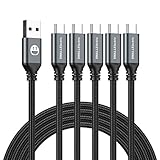
Braided cables withstand rough handling during adventure activities like zip-lining in Tsitsikamma or sand exposure on Eastern Cape beaches. Having multiple cables provides redundancy during extended travel through South Africa.
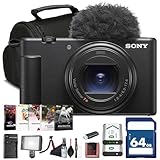
South Africa's varied landscapes from Drakensberg mountains to Cape Peninsula cliffs deserve quality imagery. A compact camera performs better than phones in low-light conditions during early morning safari departures.
Older electrical infrastructure in some South African accommodations can experience voltage fluctuations. An increase protector safeguards expensive electronics while providing multiple charging ports for all your devices.
Toiletries & Health

Remote areas in South Africa like the Wild Coast have limited medical facilities. A basic kit handles minor cuts from hiking in fynbos vegetation or blisters from walking through Johannesburg's Maboneng Precinct.


Time zone changes when flying to South Africa and irregular schedules during safari days make a weekly organizer important for maintaining medication routines. Choose one with secure compartments.
Documents & Security

Protect biometric passports from electronic skimming in crowded areas like Johannesburg's O.R. Tambo Airport or Cape Town's V&A Waterfront. A holder also keeps South African entry stamps and visa documents organized.

Discreetly carry South African rand and backup credit cards while exploring urban centers. A money belt worn under clothing provides security during township tours or busy market visits where pickpocketing occurs.

Secure luggage during overnight train journeys on the Shosholoza Meyl or when leaving bags at lodge storage during multi-day excursions in South Africa. Combination locks avoid key loss issues.
Comfort & Convenience

Early morning safari departures in South Africa require pre-dawn wake-ups. A contoured mask blocks light during afternoon rests at lodges or on long-distance bus travel between regions.

Urban accommodations in South Africa may have nighttime street noise, while rural lodges feature natural sounds like nocturnal animals. Silicone earplugs help ensure restful sleep throughout your South Africa itinerary.
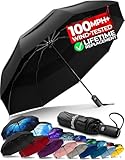
Sudden summer thunderstorms on the Highveld and persistent winter rains in Cape Town make a sturdy umbrella valuable. Windproof construction withstands gusts at Cape Point where winds funnel between oceans.

Many South African supermarkets charge for plastic bags. A foldable tote is useful for spontaneous purchases at Neighbourgoods Market in Johannesburg or carrying beach supplies along the Durban coastline.
Outdoor & Hiking Gear

Essential for steep ascents on Table Mountain trails or navigating rocky paths in the Drakensberg. Collapsible poles store easily during game drives in South Africa's national parks.
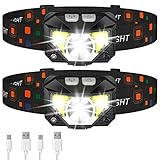
Power outages occur in some South African areas. A headlamp provides hands-free light for evening walks at safari camps or navigating accommodations during load-shedding periods.

Useful for hikers exploring remote sections of South Africa's national parks. The whistle can signal for help if separated from groups on trails, while the compass aids basic navigation.
Seasonal Packing Adjustments
What to add or skip depending on when you visit
Summer
December, January, February
Add: Higher SPF sunscreen, wide-brimmed hat, lightweight long-sleeve shirts for sun protection, swimwear
Shop Summer essentials →Skip: heavy fleece layers, thermal underwear
Coastal regions like Durban become hot and humid. Pack quick-dry clothing for beach visits and afternoon thunderstorms common in Johannesburg. Evenings remain mild in most of South Africa.
Autumn
March, April, May
Add: light jacket, layering pieces, closed-toe shoes
Shop Autumn essentials →Skip: multiple swimsuits, minimalist summer clothing
Temperatures become pleasant for safari viewing as vegetation thins. Mornings in Cape Town grow cooler. This is ideal hiking weather in South Africa's national parks with fewer crowds.
Winter
June, July, August
Add: warm jacket, beanie, gloves, thermal layers, waterproof outer shell
Shop Winter essentials →Skip: sandals, lightweight summer attire
The Western Cape experiences rainfall. Morning game drives in Kruger require warm layers as open vehicles feel chilly. Indoor heating varies greatly across South African accommodations.
Spring
September, October, November
Add: versatile layers, allergy medication for pollen, windbreaker
Shop Spring essentials →Skip: heavy winter gear
Wildflowers bloom in Namaqualand region. Wind increases along the Cape coast. Temperatures fluctuate dramatically within single days throughout South Africa. Pack adaptable clothing systems.
Luggage Recommendation
A medium-sized checked suitcase plus a carry-on backpack works well for South Africa. Internal flights on smaller aircraft have strict 20kg weight limits. Soft-sided luggage is preferable for safari vehicles with limited storage space. Ensure your carry-on contains essentials for 48 hours in case of baggage delays on international routes to South Africa. Pack smart.
Shop Carry-On Luggage on AmazonPro Packing Tips
Practical advice from experienced travelers
Don't Pack
- Heavy winter coats unless visiting mountainous regions in winter. The climate in most South African urban areas remains moderate. Skip these.
- Multiple formal outfits. Most restaurants and venues in South Africa accept smart casual attire. One nice outfit suffices.
- Large quantities of shampoo and conditioner. Well-stocked supermarkets like Checkers or Pick n Pay carry familiar international brands. Buy there.
- Beach towels. Accommodations typically provide these. They occupy excessive luggage space. Leave them home.
- Expensive jewelry that might draw unwanted attention in certain areas of South Africa. Pack none.
- Hardcover guidebooks. Purchase digital versions or buy locally at Exclusive Books stores for updated information. Lighter. Smarter.
Buy Locally
- South African SIM cards at airport kiosks operated by Vodacom or MTN immediately upon arrival. Registration requires your passport. Do this first.
- Sun protection products formulated for local intensity. Pharmacies like Dis-Chem carry high-SPF options suitable for South Africa's strong UV radiation. Stock up.
- Insect repellent with DEET for malaria-prone regions like northern Kruger. Purchase at South African pharmacies before entering these areas. Essential.
- Local wines at vineyard shops in Stellenbosch or Franschhoek rather than transporting bottles internationally. Better prices. Less hassle.
- Safari-style clothing at Cape Union Mart or outdoor stores if you need specialized gear after arriving in South Africa. Wait. See what you need.
Packing Hacks
- Roll clothes instead of folding to save space
- Pack shoes in shower caps to protect clothes
- Use packing cubes to stay organized
- Keep essentials in your carry-on
Continue Planning Your Trip
More guides to help you prepare
Ready to plan your trip to South Africa?
Now that you've got the research covered, here's where to go next.