

Things to Do in South Africa in June
June weather, activities, events & insider tips
Shoulder Season · Good Value
June Weather in South Africa
Temperature, rainfall and humidity at a glance
69°F (21°C)
High Temp
33°F (1°C)
Low Temp
0.3 inches (8 mm)
Rainfall
52%
Humidity
⚠ Early-morning frost on highveld roads can freeze windshield washers. Rental companies charge for cracked reservoirs if you pour hot water on the glass.
Is June Right for You?
Weigh the advantages and considerations before booking
Advantages
- + June strips the bush bare. Parched red earth and skeletal marula trees stretch across the interior, elephants, buffalo, big cats crowd Kruger's permanent waterholes. Visibility now runs hundreds of meters through vegetation that hides leopards behind green curtains in January. You'll spot more animals in one morning game drive than wet-season visitors see in a week. The Limpopo bush at dawn smells of dry dust and sun-warmed thornbush, lodges itself permanently in memory.
- + Southern Right Whales crash into Walker Bay near Hermanus in early June, straight from Antarctic feeding grounds to calve in the sheltered bay. These 15-20 metre (49-66 ft) giants breach so close you hear the exhalation before you spot the splash. June kicks off the season, weeks before September crowds swarm the official Hermanus Whale Festival. The clifftop paths stay quiet. The sightings stay just as spectacular.
- + June is South Africa's quiet trick. The two-to-three-week lull before July's school-holiday stampede. Reserve your game lodge or Garden Route bed for June, you'll score both space and a better price. Come the third week of July, every South African family with kids hits the road at once. That gap isn't luck; target it on purpose.
- + Set the alarm. The reward is photographic gold. Low winter sun slices across Highveld and bushveld, stretching golden hours from 7 AM to 10 AM, then again from 3 PM to 6 PM. Summer haze, the stuff that flattens Kruger's landscapes in January, is gone. Expect sharper, cleaner shots of both wildlife and landscape this month. Cape Town in winter has its own draw. Moody Atlantic light hits the Twelve Apostles range. Green fynbos slopes glow. Empty boulder beaches wait. Just don't expect the postcard-blue version.
Considerations
- − 33°F (0.5°C) is a realistic overnight low. The cold slaps first-timers silly. Mornings and evenings at Kruger, the Drakensberg, and the Highveld plateau regularly drop to near-freezing, open-air game drive vehicles at 5:30 AM feel significantly colder than that. Travelers who pack 'Africa clothes', t-shirts, shorts, light sandals, because they've mentally filed South Africa under 'hot continent' will spend their first game drive bundled in borrowed blankets and miserable. This is Southern Hemisphere mid-winter, not Nairobi in July.
- − June in Cape Town is a gamble. The Western Cape's Mediterranean climate flips to winter mode, rain arrives, sometimes as three-day grey drizzle, sometimes as the Cape Doctor southeaster that shuts Table Mountain's cableway for a week. Still worth the trip. Just plan for indoor days. Those well-known mountain views might stay wrapped in cloud your whole stay. The beaches turn cold, windswept.
- − Late June isn't shoulder season anymore. July school holiday pricing and availability bleeds into late June earlier than most visitors expect. South African domestic travelers, a significant market force in their own country, start booking coastal and Garden Route accommodations from mid-June onward for the school break. If your trip falls in the final week of June, expect Cape Town and Knysna to behave more like peak season than shoulder season for both crowd levels and rates.
Best Activities in June
Top things to do during your visit
Kruger National Park Dry-Season Safari
June is the single best month for a Kruger safari, biology makes it unfair. Winter strips the bush bare, ripping away the dense green curtain that turns summer game spotting into a guessing game. Waterholes become the only drink for hundreds of kilometers, and the animals know it. Lions, leopards, wild dogs, elephant herds, buffalo, rhino, they show up on schedule. June visitors call it cheating. Morning drives roll out into cold, fog-threaded air. Bring layers, the chill is real. Sightings cluster in the first three hours before the sun climbs and everything melts back into shade. The southern Kruger section around Skukuza and Berg-en-Dal keeps delivering big-cat action like clockwork. The air carries dry grass and woodsmoke from distant fires. At night the temperature drops fast, too fast for frogs or cicadas. The bush goes quiet, a stark contrast to summer's non-stop chorus.
Booking Tip: Six to eight weeks, that's the minimum lead time for game lodge bookings, because when the dry season hits, serious wildlife photographers flood in and lodges with the best sightings reputations sell out fast. Want guided wilderness trails instead? Those multi-day walking safaris with armed rangers demand three to six months' advance booking. Check the booking section below for current guided safari options.
Southern Right Whale Watching at Walker Bay
June delivers whales you can look DOWN on from the 12-kilometre (7.5-mile) cliff path above Hermanus. The sandstone cliffs rise 20-40 metres (65-131 ft) above Walker Bay, and Southern Right Whales surface so close you catch the exhalation cloud, the barnacle-encrusted backs, the raised flukes before a dive. The season opens in June. Whale numbers build through July and August, yet early-season visits hold their own charm: the cliff paths stay quiet, the town remains relaxed, and each sighting feels raw, not choreographed. On calm days, boat-based tours from New Harbour slide you alongside these giants. The experience is kinetic, immediate, nothing like the clifftop view. The drive from Cape Town along the R43 through Bot River and Kleinmond stretches 110 km (68 miles) across fynbos-covered hills that erupt into brief, intense bloom in late autumn. Worth the detour, even without the whales.
Booking Tip: Skip the boat. Land-based whale watching from the cliff path delivers, no booking, no fee, and sightings often match what you'd pay for offshore. Boat tours hinge on weather and swell. The sheltered bay lets most June departures run. But strong winds can scrub them. Build a flexible day into your itinerary. Book only through licensed, permit-holding operators. Check current tour options in the booking section below.
Shark Cage Diving off Dyer Island
160 km (99 miles) from Cape Town, Gansbaai sits beside Dyer Island and the narrow channel called Shark Alley, a stretch of water between the island and Geyser Rock where 60,000 Cape Fur Seals provide year-round food for great white sharks. June's cold, clear water delivers good visibility inside the cage, often 5-8 metres (16-26 ft), and winter months bring consistent shark activity. The experience is less extreme than the name implies: you're lowered into a cage attached to a stationary boat, the cage sits partly above the waterline, and you breathe surface air through a regulator. No diving certification needed. The cold water sits around 15°C (59°F) and the supplied wetsuits handle submersion well, though the wait on deck between cage turns in a Cape winter wind is a different kind of cold. This is one of those activities that sounds terrifying in advance and ends up producing an almost calm, meditative state, the animals are that close, and that indifferent.
Booking Tip: Two weeks. That's the minimum lead time you need to book these shark trips, and don't skip the permit check. Operators must hold current Marine and Coastal Management permits, this isn't paperwork trivia. It keeps the sharks safe and keeps you legal in protected waters. Seasickness will hit on the open ocean stretch. Take your precautions the night before; don't gamble with this. Half-day tours are standard, no surprises there. See current options in the booking section below.
Drakensberg Range Hiking and Escarpment Views
June strips the Drakensberg bare. That 200-km (124-mile) escarpment between KwaZulu-Natal and Lesotho becomes something else entirely, dead grass gone, basalt columns and amphitheatres fully exposed. Snow brushes the 3,000 m (9,843 ft) peaks. No summer storms, just clear skies and ridgeline views summer hikers never get through the cloud. Royal Natal National Park delivers the Amphitheatre: a 5 km (3.1-mile) curved cliff dropping 1,200 m (3,937 ft). You can see it from the parking lot, no hiking required. Four hours from Durban. Worth every minute just to stand and stare. Serious walkers? Chain ladder route to the summit plateau. Demands fitness, not technical climbing. San rock art panels dot the lower foothills, some over a thousand years old. Rain-making ceremonies painted with such clarity they stop hikers mid-trail. Sani Pass climbs to 2,874 m (9,429 ft) at the Lesotho border. Icy, snow-covered in June. 4x4 essential. Border post shuts at 4 PM.
Booking Tip: You need a permit for every protected Ezemvelo KZN Wildlife trail, and you book it ahead. June nights on the escarpment hit -5°C (23°F) or lower; your bag had better cope. Royal Natal day trails, no permit, just an early start. The Amphitheatre route gives the best dawn light. Guided hikes? Check the booking section.
Cape Winelands Cellar Tours and Estate Visits
June is the Winelands' secret season. Harvest ended in April, the vines are russet skeletons, and estates around Stellenbosch, Franschhoek, and Paarl have slipped into winter quiet. Tasting rooms are half-empty, staff aren't juggling three groups at once, and they'll tell you what they think of the new barrel sample. The R45 between Franschhoek and Paarl runs past vineyards that now look nothing like the glossy summer brochures, gnarled trunks, frost-white mornings, Cape mountains occasionally dusted with snow above the valley floor, and the stripped-back scenery photographs better than you'd expect. Franschhoek's main street has stacked up a serious lineup of wine-focused restaurants during the past twenty years; a June lunch there can stretch past three o'clock without anyone hustling you out to free the table. Cape Town to the Huguenot Tunnel is 75 km (47 miles); give it a full day.
Booking Tip: Skip the phone tag on weekdays in June, most estate tasting rooms simply don't require reservations. Weekends? Different story. Cape Town day-trippers still flood in, so if you've got specific estates on your hit list, call ahead. Period. Serious collectors shouldn't dance around the subject. Ask straight out about library wine tastings. Demand the winemaker-guided experiences. These aren't listed on booking platforms, they're arranged directly through the estates themselves. Check the booking section below for available guided Winelands tours.
Soweto Cultural and Historical Walking and Cycling Tours
June 16 is National Youth Day in South Africa, a public holiday that stops the country cold. It marks the 1976 Soweto Student Uprising, when thousands of schoolchildren marched against the apartheid government's Afrikaans-only rule and security forces opened fire. Hector Pieterson, 13 years old, became the face of what happened. The Hector Pieterson Museum on Khumalo Street tells this story with rare restraint, one of the better-curated human rights museums anywhere in the country. The surrounding neighborhood includes Vilakazi Street, where both Nelson Mandela and Archbishop Desmond Tutu once lived, the only street in the world to house two Nobel Peace Prize laureates. Walking and cycling tours operate year-round, but come in the weeks around June 16. That's when South Africans arrive to pay respects and the country's political history feels present, not archived. The whole neighborhood carries weight then. This visit will change how you understand South Africa for the rest of your trip.
Booking Tip: June 16 tours sell out fast, book two weeks ahead. The public holiday rush is real. Licensed operators must register with South African Tourism. Check their papers before you pay. Half-day tours hit the key historical sites hard and fast. Full-day trips add township food and community visits, these extras give the story weight. Current options live in the booking section below.
Where to Stay in South Africa in June
Hand-picked hotels across price tiers for June travellers.
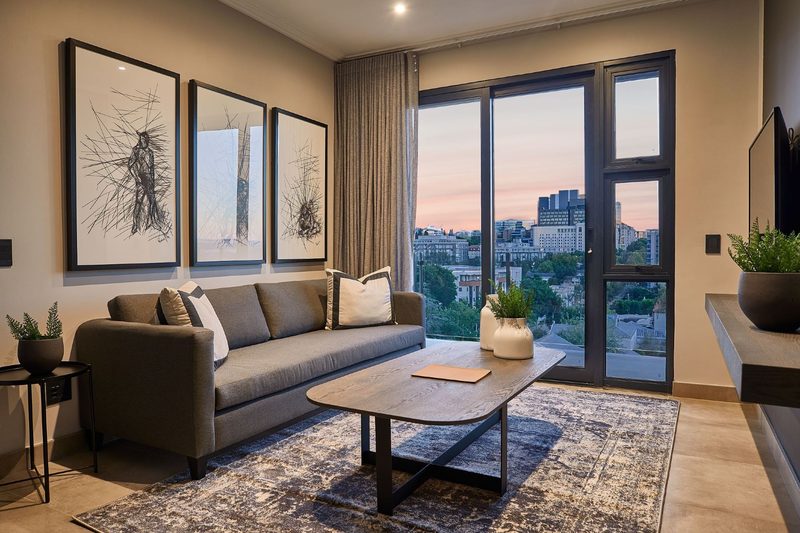
★★★★★
Luxury
21 Nettleton Boutique Hotel & Luxury Residence
From $598 / night
Check Prices on Trip.com →
Public Holidays in June
Dates that affect opening hours, transport and crowds
Youth Day
Observed nationwide as a public holiday.
Youth Day
Observed nationwide as a public holiday.
Packing Checklist
Bookmark this page — your progress is saved between visits
Need the full list with shopping links?
Climate-specific gear, brand recommendations, and what to leave at home.
View South Africa Packing List →Essential Tips
Insider knowledge and common pitfalls to avoid
Insider Knowledge
Book for the first two weeks of June. You'll dodge South Africa's July school holidays, July 4-18 in 2026, when domestic travel spikes and game lodge rates jump. Early June gives you dry-season conditions minus the dry-season-plus-holiday pricing. Most trip-planning resources miss this distinction.
Forget the boat. Hermanus gives you whales from land that beat any deck railing. The 12-km (7.5-mile) cliff path hangs you over the water, looking straight down on Southern Rights in a way skippers can't match. Still mornings when the whales cruise the shallows deliver a show that's free, uncrowded, and flat-out extraordinary. Boats add another angle, sure, but they aren't required for a meaningful experience.
June 16 shuts the city down, shops, museums, restaurants either lock up or limp along on skeleton hours. The Hector Pieterson Museum runs its commemorative program that day. But call first. A Soweto township tour booked for June 16 delivers an emotional punch you won't find any other day, visitors and South Africans stand shoulder-to-shoulder for the same reason.
2,874 m (9,429 ft), that's the summit of Sani Pass road from the KwaZulu-Natal side up to the Lesotho border. June brings real snow and ice. You'll need a 4x4. Border post shuts at 4 PM sharp. No exceptions. The Drakensberg escarpment spreads below you on clear winter mornings. Extraordinary views. Rarely photographed in snow. Most people miss this. No 4x4? Guided tours leave from Sani Pass Hotel at the base. They'll handle the climb.
Rand in small bills is king. Game reserves and the Garden Route won't give change. Rural ATMs vanish, or break. Rangers and trackers depend on that envelope at checkout. Tip them directly. Guides get their own handshake.
Avoid These Mistakes
Packing for tropical Africa. June is mid-winter in South Africa, and the interior plateau, including the Kruger region, sits at 300-500 m (984-1,640 ft) with overnight temperatures near freezing. Travelers who arrive with nothing but shorts and t-shirts because 'it's Africa, it'll be warm' spend their first morning game drive huddled under lodge-supplied blankets while everyone around them watches a leopard. Pack for a cold European autumn morning, not a beach holiday.
Cape Town to Kruger National Park is 1,800 km (1,118 miles), twenty solid hours behind the wheel. South Africa's scale will wreck your itinerary if you plan 600 km (373 miles) between breakfast and dinner. The roads are good. But the distances don't bend. Fly between major hubs or block one full driving day for every 400 km (249 miles).
Cape Town in June can pour rain while Kruger bakes under dry winter sun. Same country. Different planets. Most visitors assume the Western Cape and the rest of South Africa share weather, they do not. While Kruger enjoys 25-degree blue-sky days, Cape Town collects its Mediterranean winter rain. These two conditions coexist across a land mass the size of Western Europe. Spend three grey, wet Cape Town mornings, then hop north for three flawless Kruger afternoons. Many travelers swear they crossed a border. You didn't. You just crossed weather systems. Plan each region on its own terms. Book indoor backup plans for Cape Town. Pack sunscreen for Kruger. Simple.
Kruger game lodges fill fast. The dry-season window from June to September is when international wildlife viewers target Kruger specifically, and well-positioned lodges, those inside the unfenced sections or adjacent to private concessions, fill six to eight weeks ahead. Arriving in mid-June expecting to book on arrival at camps is possible with luck and cancellations. Unreliable strategy for anyone with fixed travel dates.
Ready to plan your trip to South Africa?
Now that you've got the research covered, here's where to go next.
Book Experiences in South Africa
Top-rated things to do in South Africa this June


Explore More Activities in South Africa
Didn't see anything interesting yet?
Browse Viator's full catalog of tours, day trips, food experiences, and private guides in South Africa.
See All South Africa Tours on Viator